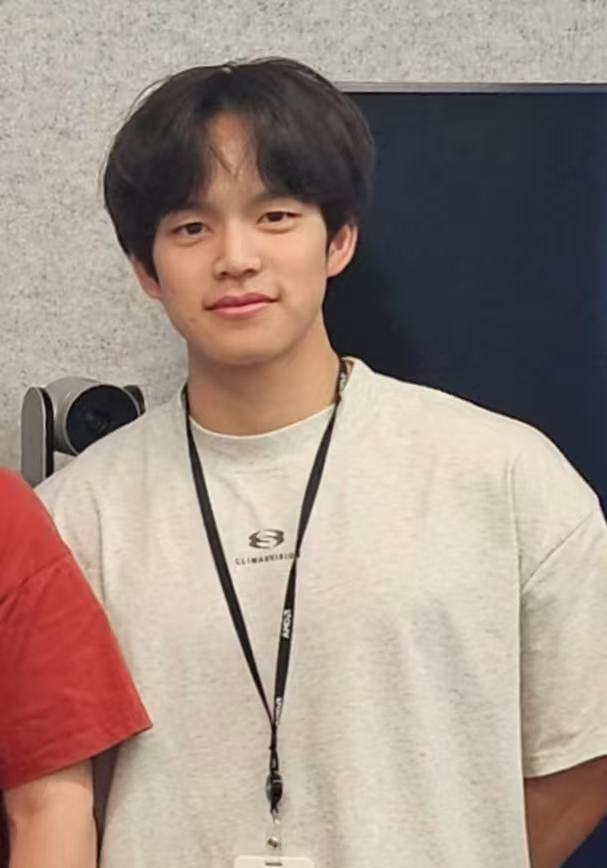
JIAHAO LIANG
💼Internship Experience
In 2023, I interned at KEMU Technology in Suzhou, maintaining a high-traffic database (30M+ entries, 20K+ daily visits) and developing a viral restaurant mini-program with 32K daily users.
In 2024, I joined AMD in Shanghai as a software intern, where I built a real-time face-swapping system using FFmpeg, object detection, and RyzenAI. I replaced CPU-bound OpenCV processing with custom GPU shaders and optimized asynchronous CPU-GPU execution to sustain 20 FPS.
🔬 Research
Currently conducting research under the supervision of Prof. Renée Sieber on the project Data Rescue: Archives & Weather, in partnership with CEIMIA. Our work aims to uncover weather-related vulnerabilities by analyzing both past and present disruptive weather events, leveraging digitized historical newspapers as a primary data source. Involves applying techniques:
- Natural Language Processing (NLP)
- Retrieval-Augmented Generation (RAG)
- Prompt Engineering
- Large Language Model (LLM) Training
- High-throughput I/O Optimization for Document Processing Pipelines
🚀 Projects
At McHacks 11, I built Box My Professor, a gamified AI demo that won the “Achievement Unlocked” award. I implemented real-time gesture control with MediaPipe, created 3D avatars from images using AI + Unity, and added interactive features like punch physics, music, and score tracking.
With the McGill Robotics Team, I develop software for an Autonomous Underwater Vehicle (AUV). My work focuses on control logic and sensor integration, enabling the robot to navigate underwater using visual and acoustic cues.
🎯 Research Interests
I’m passionate about using generative AI and computational methods to tackle real-world challenges. My work focuses on:
- Information Retrieval & Natural Language Processing
- Retrieval-Augmented Generation (RAG)
- Multi-agent Collaboration
- Robotics
- Visual Perception & Navigation
- AI Acceleration
- GPU Optimization for Deep Learning
- Bridging Deep Learning & High-Performance Computing